



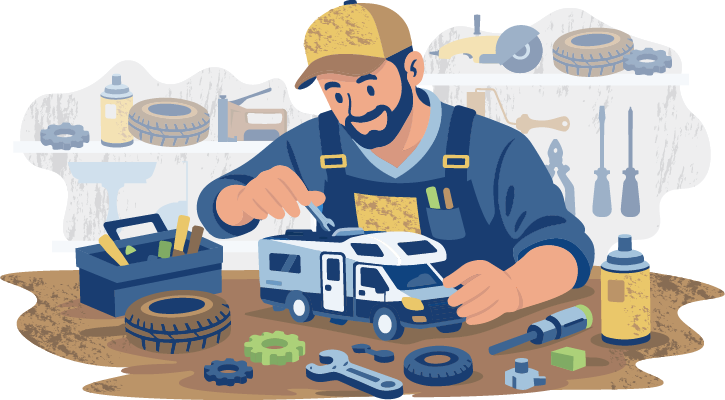
Spring in Alberta signals the return of road trips, campground reservations, and weekends spent exploring the outdoors. But before you head out on Highway 16 or plan a long-distance drive through the Rockies, one important question should come first; is your RV truly ready for Canadian highways?
Cold winters, long storage periods, and changing road conditions can affect towing systems, braking performance, and overall RV safety. Whether you drive a motorhome or tow a travel trailer, preparing properly protects your family and everyone else on the road.
At Jimmy’s RV Storage we see firsthand how proper preparation sets the tone for a successful camping season. Here is a detailed spring RV towing safety Canada checklist designed specifically for Alberta conditions.
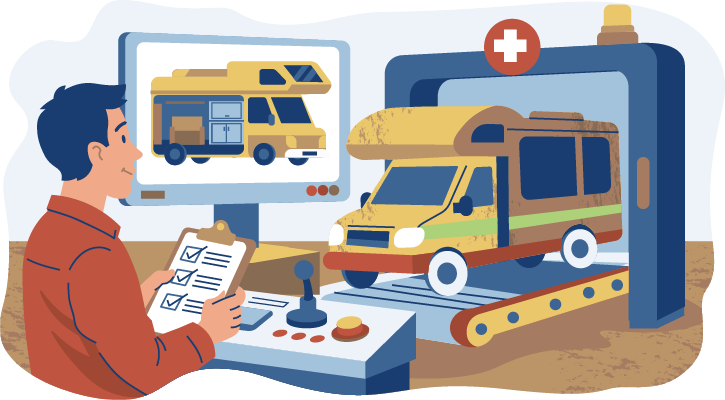
1. Start with a Complete RV Brake Inspection Checklist
Brakes are one of the most critical safety components for RV towing safety Canada drivers depend on. After winter storage, brake components may have developed rust or reduced responsiveness.
Inspect brake pads and shoes for wear. Check brake lines for corrosion or cracking. Test the brake controller in your tow vehicle to ensure smooth engagement. If your trailer uses electric brakes, confirm wiring connections are secure and functioning properly.
A professional brake inspection before your first trip ensures stopping power matches the weight you are hauling, especially when navigating Alberta highways and mountain grades.
2. Check Tire Pressure and Condition
Canadian highway travel demands properly inflated tires. Cold weather often reduces tire pressure, and long storage periods can cause flat spots or sidewall cracking.
Inspect all tires, including the spare. Look for uneven wear patterns that could indicate alignment issues. Inflate each tire to the manufacturer’s recommended PSI before towing.
Trailer safety Alberta drivers trust begins with reliable tires. Proper inflation improves fuel efficiency, stability, and braking performance.
3. Inspect Hitch and Coupler Connections
A secure hitch connection is fundamental to safe towing. Check that the hitch ball size matches the trailer coupler. Confirm the coupler locks firmly and cannot lift off the ball once secured.
Safety chains should cross beneath the hitch and attach securely to the tow vehicle frame. Inspect chains for rust or weakened links.
Spring road vibration can stress connection points. Taking a few extra minutes to inspect the hitch system reduces the risk of dangerous detachment on busy Canadian highways.
4. Test All Lights and Electrical Systems
Functioning brake lights, turn signals, and running lights are mandatory for RV towing safety Canada regulations require. Before leaving your driveway, test all lighting systems with a partner or use reflective surfaces to confirm operation.
Inspect wiring harnesses for wear or corrosion. Clean electrical contacts to ensure consistent connectivity. Alberta spring weather can be wet, so waterproof connections are important.
5. Examine Suspension and Axles
After months of limited movement, suspension components may stiffen or wear unevenly. Inspect leaf springs, shocks, and axle alignment. Look for signs of sagging or uneven ride height.
Trailer safety Alberta highways demand stable load distribution. If your trailer appears tilted or unstable, consult a professional before traveling.
6. Review Weight Distribution and Load Balance
Improper weight distribution is a leading cause of trailer sway. Heavy items should be positioned low and centered over the axle. Avoid overloading rear sections of the trailer.
Use a weight distribution hitch if required for your trailer size. Confirm that your tow vehicle’s towing capacity matches the fully loaded trailer weight.
Proper balance improves steering control and reduces stress on your braking system.
7. Confirm Emergency Equipment Is Ready
Every RV trip should include emergency equipment. Carry wheel chocks, a reflective warning triangle, a tire pressure gauge, and a properly rated jack.
Check that your fire extinguisher is charged and accessible. Review roadside assistance coverage and keep emergency contact information easily available.
Being prepared builds confidence for longer Alberta road trips.
8. Inspect Roof and Exterior Seals
Canadian highways can expose weak seals to wind and rain. Inspect roof seams, vents, and window seals before driving. Repair any cracked caulking to prevent water intrusion during spring storms.
Preventative maintenance reduces costly damage later in the season.
9. Perform a Short Test Drive
Before committing to a long-distance journey, perform a short test drive near home. Listen for unusual noises, test braking responsiveness, and monitor handling stability.
If towing, practice controlled braking and lane changes to assess sway control. Early testing identifies issues before you reach higher speeds on provincial highways.
10. Store Securely Between Trips
Spring often includes shorter outings before summer vacations begin. Between trips, secure parking protects your RV from theft, vandalism, and unpredictable weather.
Secure RV parking Alberta families trust should include fencing, lighting, and monitored access. At Jimmy’s RV Storage we provide RV storage Edmonton drivers rely on with over 400 stalls, advanced access card systems, RBtec perimeter detection, floodlights, and 60 plus 4K cameras.
Whether you need RV storage Edmonton residents can access quickly, secure boat storage Edmonton owners prefer, or dependable trailer storage Edmonton businesses use, professional storage completes the safety cycle.
11. Understand Alberta Road Conditions
Spring in Alberta means potholes, frost heaves, and uneven pavement. Reduce speed on rough stretches and maintain extra following distance.
Monitor weather forecasts before departure. Sudden snowfalls or heavy rain can occur even in late spring. Staying informed supports safer decision-making.
12. Confidence Comes from Preparation
Preparing your RV for Canadian highways is not about checking boxes; it is about protecting the people and memories that matter most.
When brakes are responsive, tires are stable, and towing systems are secure, you travel with confidence. When your RV has a monitored home base between adventures, you protect your investment year-round.
At Jimmy’s RV Storage we are proud to support Alberta RV owners with secure storage solutions inside Edmonton city limits. Since 1996, our focus has remained consistent; securing the memories you make.
Sign Up Today!
Get the latest insights automatically in your inbox.
Related Insights

Prepare for winter storage of your RV, boat, or trailer!
Protect your vehicle this winter!

Top Canadian Camping Destinations for Hiking, Lakefront Relaxation, and Family Fun
The best outdoor adventure destinations!

The Allure of RV Travel!
Looking for Freedom, Adventure, and Convenience? Why not RV Travel?